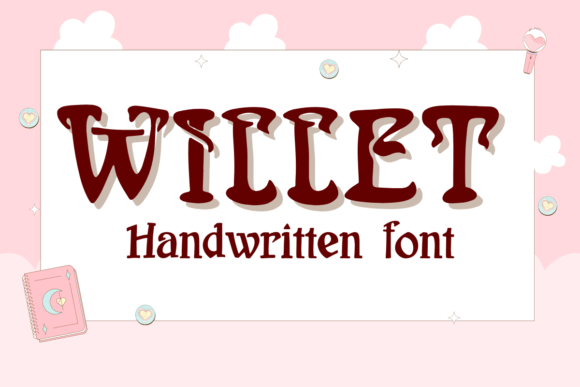
Willet Handwritten Display Font for Polished Small Business Branding
Last month, I sat down with a stack of blank candle labels, a printer, and a growing frustration. My handwritten tags looked charming in the beginning, but as orders picked up, they were inconsistent—some too messy, some too cramped. My brand needed to feel personal, but it also needed to look professional. That is exactly when I opened Willet for the first time. Willet is a fun and cool handwritten display font, and within minutes, I knew it was the missing piece in my packaging lineup. If you run a small business, an online shop, or a creative brand, let me walk you through how this typeface can quietly elevate everything you put in front of a customer—from labels and greeting cards to banners and shop graphics.
Willet for Product Labels and Packaging That Feel Personal
When you sell physical products, your label is your handshake. It is the first tactile impression a buyer gets of your brand. I tested Willet on a batch of soy candle jars, printing scent names directly onto kraft paper labels. The font performed beautifully at medium sizes—legible enough for a quick read, yet loose and playful enough to feel handwritten. Unlike a stiff sans serif that screams corporate, Willet carries a natural rhythm. It makes a product look like it was crafted by a real person, not stamped out by a machine. For a small candle maker, a soap seller, or a boutique food brand, this is gold. Customers buy handmade because they want the story behind the product. Willet helps you tell that story right on the jar.
I also tested it on a short run of skincare sample boxes. At smaller point sizes—around 10 to 12 point—the font stays clear on printed materials, though I would recommend using it for short phrases like scent names, ingredient highlights, or flavor titles rather than long ingredient lists. For body copy, pair it with a clean sans serif. On product labels, Willet works best as the star of the show: the product name, the tagline, the handwritten touch that makes someone pause and pick up your box instead of the one next to it.
Using Willet for Handwritten Greeting Cards and Thank-You Notes
One area where Willet genuinely surprised me was customer correspondence. I printed a stack of thank-you cards using the font for the header and a brief handwritten-style message. The result looked like I had taken the time to write each one by hand—without the cramping or the smudges. For a small business, that kind of detail builds trust. A thank-you card with Willet on it feels intentional. It says, I cared enough to make this look good. I also tried it for a limited-edition greeting card set around the holidays. The font handled short sentiments like “warm wishes” and “thank you” with ease, keeping the letters friendly and readable. If you sell paper goods, stationery, or personalized gifts, Willet gives you a consistent handwritten style across your entire line without needing to hire a lettering artist.
For customers who buy from your shop and become repeat buyers, that small card tucked into the package reinforces your brand identity. It is a tiny piece of marketing that costs pennies to print but builds loyalty for years. And because Willet is a display font with a relaxed personality, it fits naturally into the greeting card niche without looking stiff or overly formal.
Willet for Social Media Banners and Content Marketing
Your online shop and social channels are your digital storefront. I updated a few Instagram story templates and a website banner using Willet as the headline font. On mobile screens, the font reads clearly at larger sizes, which is exactly where you want it—on sale announcements, new product launches, or featured quotes. I paired it with a simple black background and a soft muted photo behind the text. The contrast made the words pop without feeling loud. For a content creator or a small brand posting weekly promotions, Willet brings a handcrafted energy to digital assets that standard system fonts cannot match. It works for sale banners, product highlight posts, and even short video title cards.
One note on readability: because Willet is a handwritten display font, keep your text blocks short. A headline, a date, a call to action—that is where this typeface shines. Long paragraphs on a mobile screen can get tricky. But for the kind of quick-hit content that social media demands, Willet is a solid choice. It gives your feed a consistent look without feeling repetitive. When a potential customer scrolls past your post, the font style alone tells them your brand is thoughtful and intentionally designed.
Willet Font Pairing Ideas for a Cohesive Brand Identity
No single font carries an entire brand alone. Willet works best when it has a reliable partner. In my own packaging, I paired Willet with a clean geometric sans serif for ingredient lists, care instructions, and fine print. The contrast between the relaxed handwritten style and the structured sans serif created a visual hierarchy that was easy to navigate. For a bakery updating its menu, try Willet for the menu title and dessert names, then use a simple serif or sans serif for descriptions and prices. For a boutique clothing tag, use Willet for the brand name and a light sans serif for care details. This pairing approach keeps your materials looking polished without losing the handmade charm that brought customers to you in the first place.
If you prefer a more elegant direction, Willet also pairs well with a refined serif font. The combination works nicely for editorial-style lookbooks, brand story pages, or premium product catalogs. The key is to let Willet lead the emotional tone—warm, approachable, creative—while your supporting font handles the practical details. That division of labor makes your brand feel both personal and professional, which is exactly the balance most small businesses are chasing.
Commercial Licensing and What to Verify Before Using Willet
Before you start printing labels, packaging, or digital templates with Willet, take a moment to review the commercial licensing terms. If you plan to use the font on products you sell—candle jars, soap boxes, greeting cards, merchandise, or client projects—you want to confirm that your license covers those commercial applications. Many premium fonts offer standard licenses for personal and small business use, with extended licenses for larger production runs or digital resale. Check whether the font package includes alternate characters, ligatures, or multiple weights, as those extras can give your branding more flexibility without needing a second font. I also recommend verifying whether the font supports the languages you need for your audience. If you ship internationally or serve a multilingual customer base, having full character support saves you from inconsistent spacing or missing accents on your packaging and marketing materials.
When you download Willet, look for common file formats like OTF or TTF that work across design software, web platforms, and print setups. Testing the font in a mockup before committing to a full print run is always a smart move. Print a sample label, preview a social media template, and see how the font feels at different sizes. A few minutes of testing upfront can save you from reprinting hundreds of labels later. Willet is a display font that brings personality to your brand, but like any design asset, it works best when you understand its strengths and limits.
Whether you are refreshing product labels, building a consistent look across your online shop, or creating greeting cards and banners that feel genuinely personal, Willet offers a handwritten style that customers notice and remember. In a crowded marketplace, that small difference—a font that feels like you—can be the detail that turns a one-time buyer into a loyal fan.